Before we dive into the gadgets, let’s take a look ‘under the hood’ and understand your energy habits first.
Understanding your energy habits
Before we dive into the gadgets, it’s important to first ‘look under the hood’ and understand your energy habits. Understanding the way you use energy at home, is the first step to taking control and understanding which smart devices might be most beneficial for your household.
If your home has a smart meter, you can see a breakdown of your daily usage patterns with My Account or the Origin app. Smart meters collect your usage data in regular intervals, usually every 30 minutes, and securely send it to us – your energy provider. We’ll even show you weather data for each day, so you can see how the temperature affects your usage habits (and adjust them – either manually or by using smart devices – accordingly).
If your property doesn’t have a smart meter, not to worry. You can do an energy audit in under 10 minutes to help identify which rooms and appliances are using the most energy in your home – and come up with a plan for optimising them.
Now that you’re familiar with your usage patterns, let’s jump into the different devices that can help automate and optimise your energy usage.
Smart hubs and voice assistants
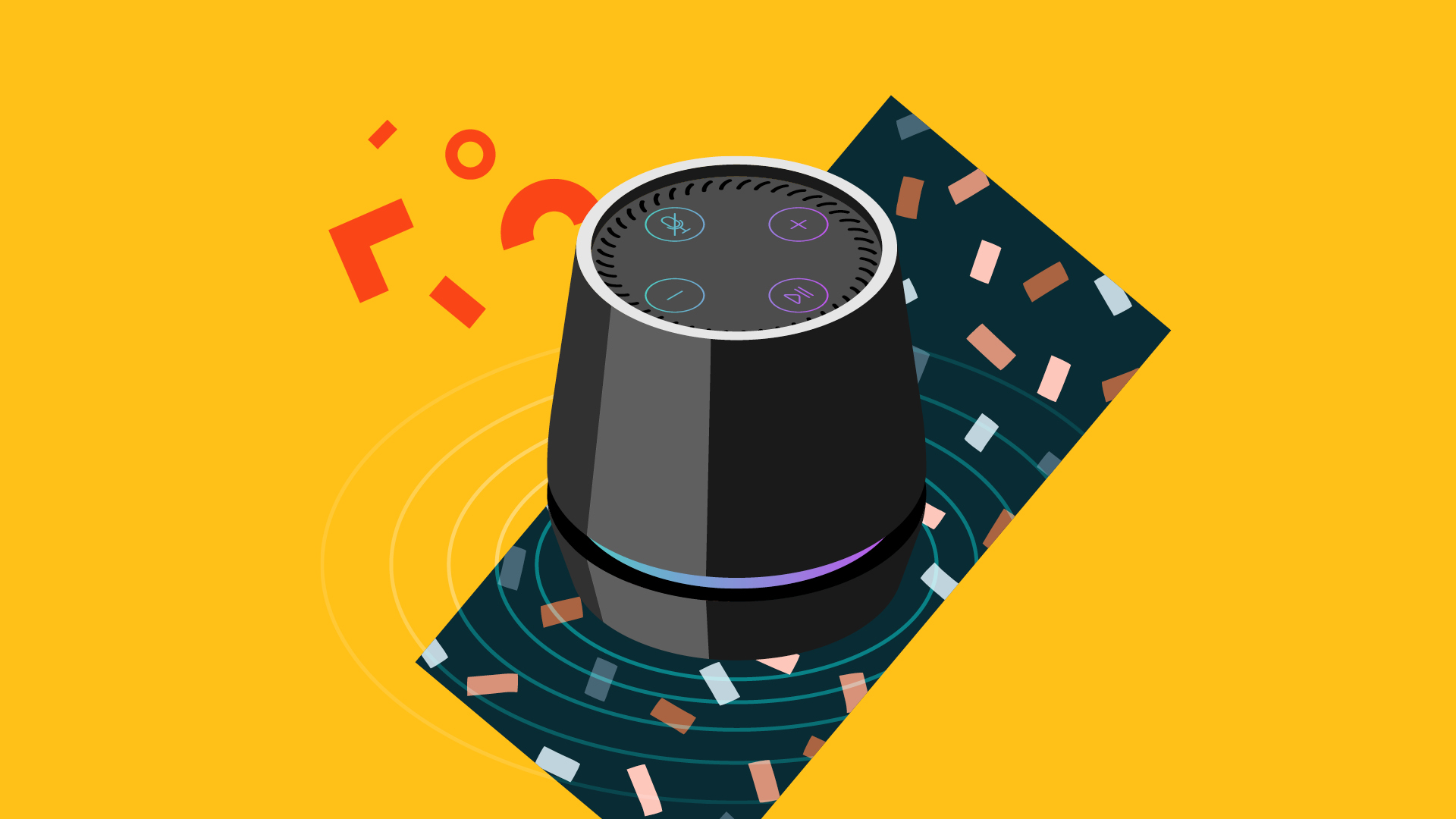
Smart hubs (such as Amazon Echo, Google Nest Hub and Samsung SmartThings) go beyond just playing music and helping you access recipes in the kitchen. These devices can act as the ‘conductor’ of the smart home – orchestrating an array of devices from smart lighting to thermostats and plugs, helping automate your energy savings.
Smart plugs
Smart plugs are a great entry point when it comes to kitting out your home with smart devices. They allow you to automate your appliances – think shutting off your TV, computer, lamps, toasters – and avoid the drain of standby power in your home (which could be costing you up to $176.99 per year).
Beyond using smart plugs as automated timers though, many models can also measure the flow of electricity to particular appliances, so you can better understand how energy is being consumed around your home.
As an example, the TP-Link HS110 Smart Plug can display how much energy an appliance is using and how that consumption has been tracking over time, allowing you to make informed choices about your energy use. This can also help you identify appliances that may be using more power than they should, and might need an upgrade.
Smart power strips
Smart power strips are advanced versions of traditional power boards that can automatically cut power to devices when they’re not in use. Like smart plugs, they can help you save on standby power and provide insight into how much power the appliances plugged into the board are consuming.
These are especially handy for people who work from home, allowing you to schedule your PC, printer and other office devices to shut off automatically when your workday is over. Saving energy and your work life balance as well.
Smart lighting
Smart lighting consists of LED bulbs, light switches, or fixtures that can be controlled remotely via a smartphone app or voice assistant (Google Assistant, Alexa, Siri). These lights offer advanced features like dimming (lowering power consumption and extending bulb life), scheduling, motion detection, and even colour adjustments – helping to improve energy efficiency (or in the case of the latter, productivity or rest depending on which colour you choose).
Smart bulbs are LED-based – consuming up to 75% less energy than traditional incandescent or halogen bulbs – and allow you to turn your lights on or off from the palm of your hand (or via your voice assistant),helping to reduce unnecessary usage. You can even schedule them to come on when you arrive home from work and switch off as you go to bed.
Depending on the type of smart bulb or lighting solution you choose, some even have motion sensors – automatically turning lights off when a room is empty – or adaptive lighting capabilities, adjusting brightness based on the time of day (for example, dimming the lights in the evening).
Smart lighting can also integrate with other smart devices such as smart plugs and thermostats, allowing you to further optimise your energy usage.
Smart thermostats for heating and cooling
Smart thermostats are Wi-Fi-enabled devices that control your home’s heating and cooling systems more efficiently than their traditional counterparts.
Depending on the model you choose, they offer the ability to turn your AC or heater on or off from the palm of your hand (or via your voice assistant), helping to prevent unnecessary usage. Some models can adjust the temperature based on how hot or cold it is outside, helping to reduce the strain on your AC or heating system.
Motion sensors and occupancy sensors
Smart motion sensors and occupancy sensors detect movement in a room and automatically control lights, appliances, or heating and cooling based on whether someone is present. In some cases certain models won’t even turn on lights in the home if enough natural light is detected.
Beyond integrating with smart lighting and bulbs, some motion and occupancy sensors can also link in with smart thermostats and adjust the heating or cooling when a room is occupied or empty.
Solar panel inverters
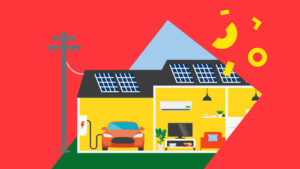
If you have solar installed, solar panel inverters are a great way to keep track of your usage. Many inverters can connect to your home’s wireless network and provide live energy usage and energy generation data that you can view on your smartphone. When you turn on the dishwasher, gaming console or air-con, you can instantly see how much energy it uses and adjust your usage patterns to align with when your system is generating the most power throughout the day. Allowing you to reduce your reliance on the grid and maximise the value of the energy you’re generating from your panels during the day.
Smart appliances
If your home has solar, and you’re in the market for new appliances, many newer whitegoods – such as dishwashers, washing machines and dryers – are often equipped with smart technology which links to various mobile apps, allowing you to set delays when running your loads of washing and dishes. Making it easy for you to set your energy-heavy appliances to run when your solar is generating the most.
Thinking about solar?
We can help you on your way to energy independence with tools, information, access to solar quotes from our preferred partners, plus more. In less than 10 minutes, you can arrange up to 3 free solar and battery quotes from our preferred partners for your property. You can also check out recommended solar system sizes, potential bill savings, and more. It’s free and without obligation*
*Origin has a commercial agreement with our partner installers and receives a commission from them for each referral.