The history of EVs
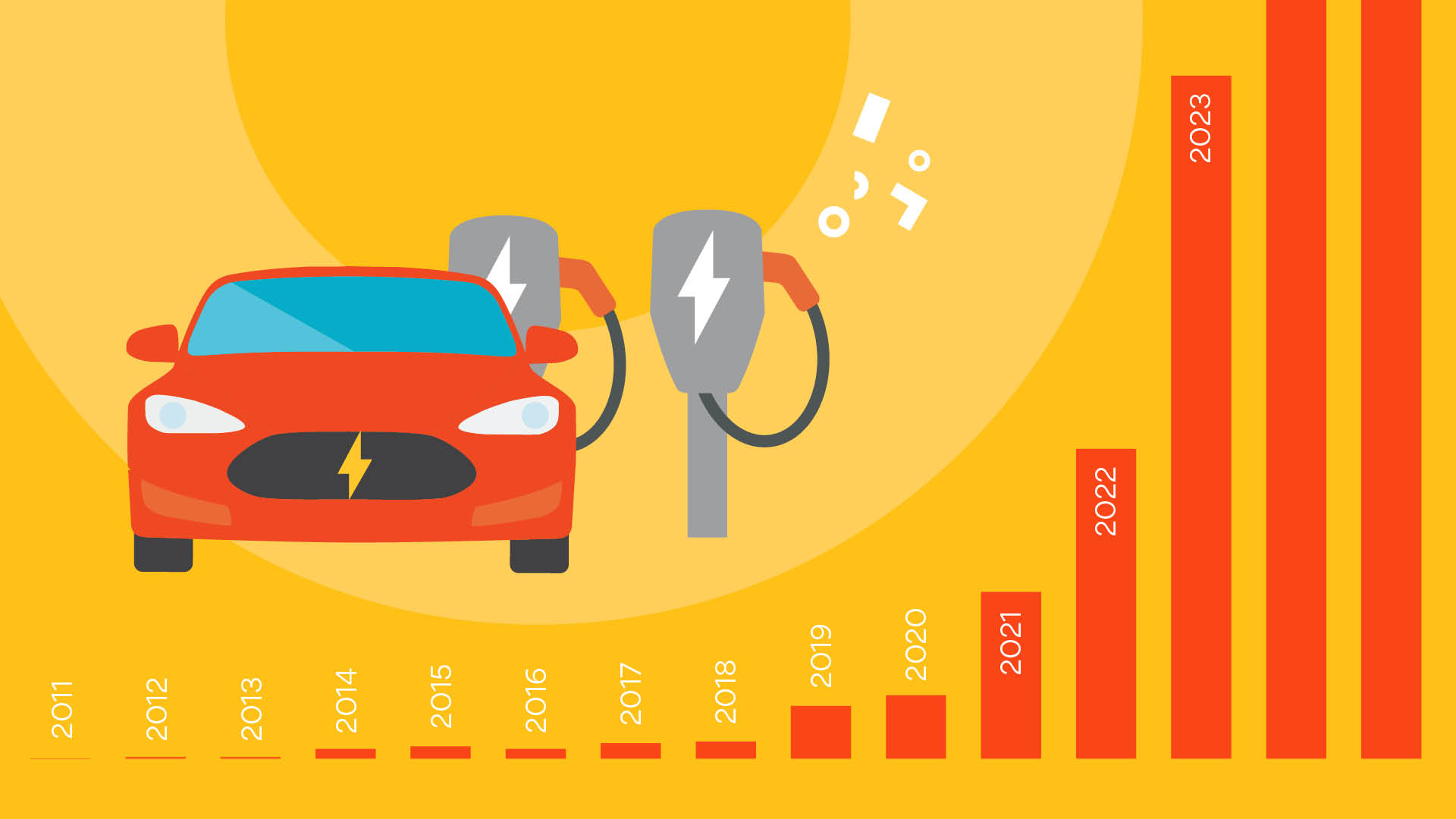
While it may come as a surprise to many, the first battery powered EVs were around in the late 1800s and were quite popular. In 1897, 38% of all cars were electric in the United States reaching top speeds of around 15 km/h. This was until the internal combustion engine (ICE) emerged in the 1920s and became faster, more affordable, and could travel further.
Fast forward to 2008 and Tesla launched the Roadster, which was the first EV as we know them today, to be legally driven on the road, and the first performance EV available in Australia.
The implication of ICEs taking off is something we’ve only begun to understand in relatively recent times with the impact of CO2 emissions on our global climate.
In fact, light and passenger vehicles contribute around 10% of Australia’s greenhouse gas emissions.
What is Australia doing to accelerate the transition?
When it comes to the EV transition, Australia has a big job to do to bridge the gap between other electrified nations. Currently only 3.8% of new car sales in Australia are electric. Significantly lower than that of Norway at 88%.
But change is happening.
The Federal Government is developing its first National EV Strategy which is a big step forward, and it recently announced Fringe Benefits Tax (FBT) exemptions to incentivise salary sacrificing programs by $3,000 – $5,000.
The respective State Governments each have a host of incentives and policies, which range from discounted registration, upfront rebates, interest-free loans and tax exemptions.
The ACT is leading the way, with all petrol and diesel vehicle sales to be ended by 2035 and an ambition for 80-90% of sales to be electric by 2030. NSW and Victoria are working toward 2030 targets of 52% and 50% of all light vehicle sales to be electric, respectively.
For information specific to your state, head to our electric vehicle incentives and rebates page.
Driving EV adoption
Details on the financial and environmental benefits is key to driving adoption as government subsidies and EV brands continue to enter the market. Projections by the CSIRO show that EV prices will reach parity with traditional petrol cars by 2030 and further education is needed for prospective car buyers on the benefits of choosing electric to drive demand.
Creating a national environment that is more attractive to EV uptake is vital to make ground on other developed nations who are much further down the road.
National fuel efficiency standards, along with sales targets, are also essential and will see manufacturers shift their supply. While further incentives, exemptions and investment in infrastructure such as EV charging stations and renewable energy will increase demand amongst Australian drivers.
With decisive action, education and bringing Australians on the journey, there are great opportunities to increase adoption, reduce our transport carbon emissions and build a better future for our children.
Origin 360 EV is dedicated to helping Australians make the switch to electric vehicles. We offer a range of products and services, from home charging solutions to business leasing, subscriptions and car sharing.