Why is the energy transition happening?
Australia is undergoing a transition to a ‘lower emissions future’. This involves a multi-decade, large-scale transformation that will help change the way society sources, produces, supplies, distributes and uses energy. And it will help deliver a reduction in global emissions. Driven by the necessity to limit global warming from climate change, this transition involves everybody, from industry, government, down to individual households.
Australia has a goal to reach net zero emissions by 2050, in line with the goals of the Paris Agreement.
What will happen to the energy grid?
The largest aspect of the energy transition is the decarbonisation of the power that gets generated and provided to our National Electricity Grid.
Over time, the fuel sources of Australia’s power will shift away from traditional, carbon-intensive ones, such as coal, towards renewable energy sources such as solar and wind. This shift is happening right now, through various investments and programs. And critical to this, is getting the balance right to also ensure grid stability, giving consumers reliable and affordable power.
While solar, wind and other renewable technologies are becoming more efficient and industrial in scale, there’s still a reliance on traditional fuels to provide ‘baseload’ power, to ensure the grid operates effectively around the clock, for instance in times of peak demand and when supply of renewable power is typically lower. This reliance will fall over time, as renewable power grows and technologies for energy storage improve.
What can business energy users do?
As some of the biggest users of energy, Australian businesses have an opportunity to help shift the needle towards net zero emissions.
Many businesses are already actively working to reduce the carbon emissions associated with their day-to-day operations. Those partnering with the Origin Zero team are electrifying vehicle fleets, installing on-site solar and batteries to reduce grid demand, and are reducing other carbon intensive practices from their operations through their energy choices.
Businesses are also using carbon offsetting to balance out their carbon emissions, opting in to plans such as “Origin Go Zero”, which is certified by Climate Active, a government-backed carbon neutral certification program.
What role does government play?
The Australian Government has set the nation’s emissions reductions targets and are implementing ways to ensure the commitments are met.
At both federal and state government levels, legislation is being introduced to ensure better, more efficient energy usage and less carbon emissions from industry.
For example, the federal government has introduced the ‘Safeguard mechanism’ legislation which compels Australia’s largest carbon emitting businesses to meet pre-defined and continually lowering annual emissions targets, with penalties applying to those who fail to do so.
At a state level, for example, the NSW Government is introducing the Peak Demand Reduction scheme, which incentivises households and businesses to reduce energy consumption during hours of peak demand through the use of energy-efficient technologies and appliances. For instance, powered cooling devices during summer. Each state government has differing programs in place which effect business and household energy users.
The Australian Government has also established carbon trading markets where businesses which earn certificates (ACCUs) for implementing sustainability projects, and can trade those certificates with other businesses to offset their carbon emissions. The government itself is an active buyer of ACCUs by way of ‘abatement contracts’, to provide financial incentives and create markets for private investment in renewable projects.
What role does technology play?
Technology plays an enormous role in Australia’s energy transition.
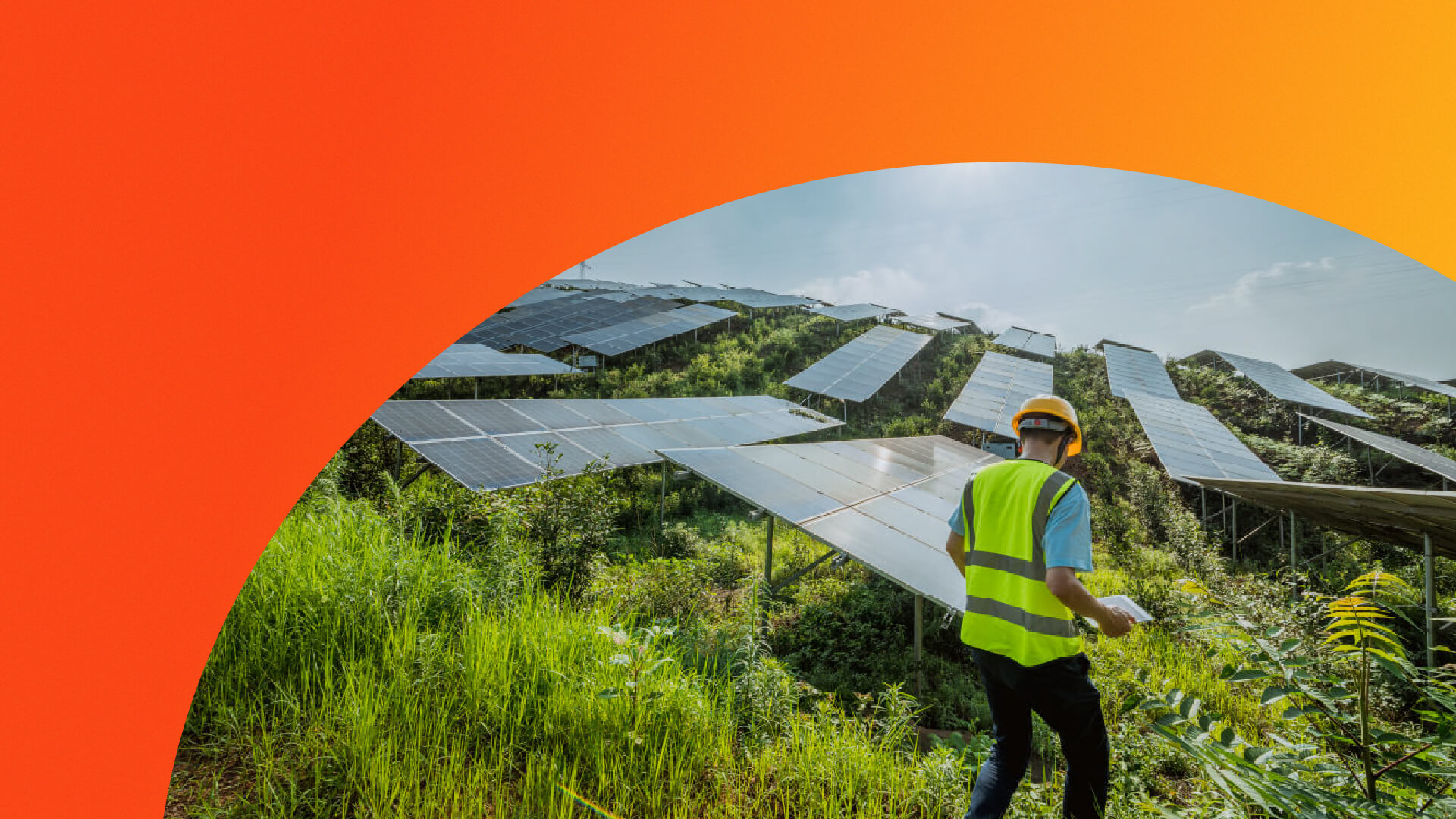
Energy storage is one technology that, as recently as a decade ago, wasn’t possible at large scale. However, large scale battery technology is advancing as well as becoming more affordable for businesses looking to store energy on-site for use either in an emergency or when electricity demand and prices are high. Many businesses are now combining on-site solar with battery solutions, generating energy when the sun is shining and storing it for future use.
Electrification is another important aspect of the transition. If electricity, generated from renewable sources, can replace traditional fuels as a power source, we can further decarbonise significantly. Electric vehicles are a prominent example, the growth of which will transform our entire transport system. This technology is likely to extend beyond just road vehicles and, in time, offer opportunities to other forms of transport, on land and sea, too.
Digitisation and the smarter use of technology are also helping make Australia more energy efficient. Devices such as Power Factor Correction units can measure business energy supply and demand in real time, more accurately matching intake with required need and eliminating wastage.
Origin’s role in the energy transition
As a leading Australian energy company with operations spanning retail, power generation and natural gas production, as well as a major employer with a footprint in many communities across the country, we recognise we have an important role to play in the transition to a low emissions future.
One of the steps which Origin has taken is the recent decision to bring forward the closure of coal generation at the Eraring Power Station. Closing the country’s largest coal power plant is a demonstration of Origin’s commitment towards leading the move toward a net zero Australia.
We provide energy to millions of Australian households and businesses, and these customers are at the heart of everything we do. The needs and expectations of our customers are changing, and our products and services will need to evolve to address those future needs. We will achieve this through innovation, increasing lower carbon energy options and increasing the renewable energy assets in our generation portfolio.
For our large business customers, the Origin Zero team can help businesses on their journey towards net zero through partnership, leadership, and end-to-end tailored solutions. We have a range of products and services to help your business lower carbon emissions.