When it comes to gas usage in the home, there are usually a few main appliances that are plumbed into your gas line. These can include heaters, ovens and stoves – but perhaps the most common is hot water systems. If your home is connected to natural gas, these tips could help you reduce your energy bill.
Heat the hub
If you have gas heating in your home, one of the best ways to reduce your gas usage during the cooler months is to heat your main living spaces – rather than individual rooms. When running your heater, be sure to set the thermostat between 18 and 20 degrees Celsius. Each degree over that uses about 15% more energy.
To get the most out of your heater, be sure to trap the warm air. Close doors to unused rooms and draw your curtains to block radiant heat loss. When it comes to those sneaky winter draughts, draught snakes are a great low-cost investment – they do a brilliant job at stopping the heat from seeping out beneath front and back doors.
Reduce your hot water usage
Insulate your water pipes
Even though hot water tanks are insulated, heat loss can occur from the system through the pipes – particularly as water is moving from the tank to your taps. Insulating the water pipes attached to your system can reduce heat loss and raise water temperature – meaning your system doesn’t need to work as hard in cold weather to heat your water.
Purchase a low flow shower head
A simple adjustment to your shower set-up could lead to significant savings on your water and gas bill. By switching a conventional showerhead to a 5-star low-flow option, a family of four could save up to $315 a year* on their water bill. There’s also no need to sacrifice the quality of your showers either, all 4 and 5-star showerheads now need to pass tests for spray force and coverage.
Some state and local governments may even provide rebates and financial assistance if you want to make water-efficient upgrades to your home.
Take shorter showers
Taking shorter showers is simple way to reduce your energy usage. A 2022 survey commissioned by Melbourne Water Corporations found that showers made up an average of 31% of a typical household’s water use. Additionally, by taking a four minute shower, the average household can save 24 litres of water per shower and up to $200 a year on water and energy bills. So, pop on your favourite song and challenge yourself to take a shorter shower.
Wash in cold water
Washing in cold water is a simple way reduce your gas usage – all in one spin cycle. Not only can cold water washing help reduce your energy bill – about 90% of the energy used by your washing machine goes towards heating the water – it’s also better at preventing clothes from shrinking or fading in the wash (excluding delicates or woollens) and minimises the chance of colours bleeding.
Use the ‘economy’ setting on your dishwasher
Did you know most dishwashers have an economy mode that washes your dishes at a lower temperature? The next time you’re on dish duty, check to see if your model has this setting. Regardless of the type of dishwasher you have, try to hold off until you have a full load – and if that’s not possible, check to see if you have a ‘rapid wash’ or a ‘half-wash’ mode to be as energy-savvy as possible.
Cook smart
Many households have gas stoves and ovens. So, if you can avoid using the oven or stove even a few nights a week, you’ll be helping reduce your gas usage over the month. An energy-efficient alternative is a good old slow cooker. Slow cookers are great for multitasking – whipping up delicious stews and comforting meals while you’re in the office, or juggling parenthood. They’re also incredibly versatile and use less energy than standard ovens.
If you don’t have access to a slow cooker, no sweat, there are a few simple tweaks you can make to how you use your stove and oven that can add up over time.
- Skip preheating your oven. This step is usually only necessary if the dish requires rising or leavening – like cakes, crusts and bread. For other dishes like casseroles, roasts or potato bakes you can get away with tacking the extra 20 minutes onto the recommended cook time.
- Check your oven door seals. This one probably isn’t a regular on your life admin list, but it should be. Make sure there isn’t any heat escaping through damaged or worn seals as this means more heat’s needed – longer cook times – to cook your food.
- Similarly, make sure you keep the door closed while cooking. Your food will take longer to cook and you’ll be wasting heat.
- If you’re cooking on the stove top, make sure you have good quality cookware. If you haven’t replaced your pots and pans in a while, it could be time to consider it. Pans with warped bottoms take longer to heat up evenly than flat-bottomed pans will.
- Match the pan size to the burner size. A small pan on a large burner will use unnecessary energy.
- Turn off the burner just before your food is cooked – the residual heat will finish cooking it.
- If you’re cooking with your oven in winter, leave the door slightly ajar (ensuring no little hands can touch any hot surfaces) and let the residual heat warm up your space.
Make energy-efficient purchases
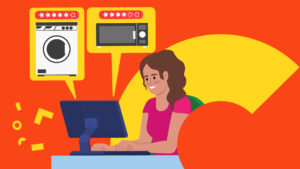
If you’re in the market for new appliances, it’s important to make sure a ‘good deal’ doesn’t end up costing you more in the long run. If you’re in the market for a new washing machine or dishwasher, you’ll also want to pay attention to the Water Rating Label. Like the Energy Rating Label, it allows you to quickly compare the water efficiency by showing the rate of water consumption – such as flow rate, litres per flush or litres per wash – easily helping you decide which appliance will best suit your budget and give you the best water and energy savings.
If there’s an electrical option for the appliance you’re in the market for, it’s worth considering the switch. Electrical appliances could cost you less, providing you take into account the Energy Rating, and they allow you to take full advantage of solar if you have a solar system.
Upgrading your hot water system?
If your hot water system is in need of an upgrade, it’s worth considering the switch to an instantaneous system (AKA continuous flow). There are two main type of hot water systems, instantaneous and storage systems. Storage systems keep water heated in an insulated storage tank, whilst – as the name suggests – instantaneous systems heat the water only as it’s needed. In colder climates especially, storage systems are particularly inefficient as it’s not possible to insulate the water where the gas flame heats the tank.
If you currently have a gas system, it’s worth considering the switch to an electric instantaneous hot water system when it’s time to upgrade. Electric hot water systems can take advantage of solar, if you have a solar setup, and should you end up with a storage hot water system over an instantaneous there are options such as off-peak and controlled load tariffs that may suit your needs and reduce your cost to run.
If you’re in particularly sunny part of the country, it might even be worth considering the switch to a solar hot water system – this will reduce your reliance on gas, or the energy grid, even further.
Understand your gas rates
Natural gas plans generally have single-rate tariffs that set out charges in ‘blocks’ of usage. You’ll usually pay more for the first ‘block’ (e.g. the first 100 megajoules) of natural gas you use, a lower charge for the next block, and a lower charge again for the remaining block. For this reason, it’s important when comparing plans and rates to take into consideration the bigger picture – not just the charge for the first block.
Check your energy plan
Speaking of rates, make it a habit to check your energy bill every six months or so to ensure you’re on the best energy plan for your household. Taking the time to check your plan could result in significant savings on your gas bill.