Caring for exotic animals and birds is no easy feat and comes with quite the price-tag. There are different habitat temperatures to maintain, storage needs for the large amounts of food, cleaning the (huge) premises, catering and public facilities for visitors. With all this going on it’s no surprise that a large number of zoos around the world are switching to renewable sources of energy.
Being conservationists, passionate about protecting natural habitats and species, zoos have a responsibility to act sustainably. Solar panels are now becoming a common sight at zoos as they strive to reduce emissions while meeting complex energy needs and, as it turns out, Australian zoos are some of the leaders. According to the Climate Council Australia, Australian zoos (and aquariums) collectively installed around 1.6MW of solar power in 2018.
We take a look at some of the most notable solar projects in zoos around the world, starting with one of our own installations right here on home turf!
1. Symbio Zoo, Sydney, Australia
Origin is proud to have worked with Symbio Zoo and help them move to a greener future. The 270 square metres facility has 60 solar panels which produce 22,804 kWh of energy. Through Origin’s SolarFlex plan, Symbio Zoo has plans to add to this installation.
2. Australia Zoo, Beerwah, Australia
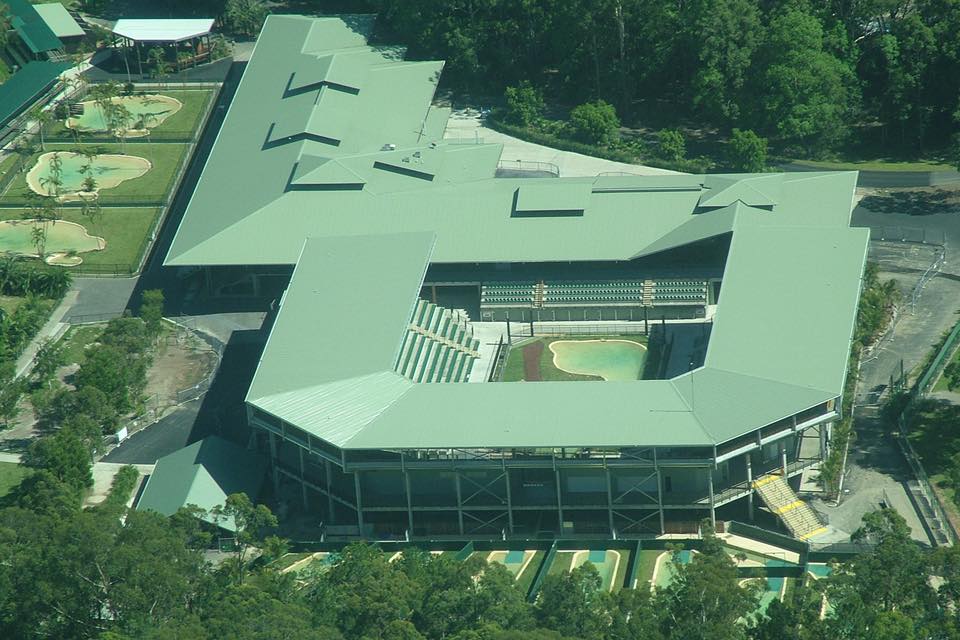
Founded by the late “crocodile hunter” Steve Irwin, Australia Zoo on the Sunshine Coast in Queensland, made the ambitious switch to solar in April of 2019 with a 648 kW solar system. More than 1,800 panels make up the solar power plant that has been added to the Crocoseum.
The installation helps Australia Zoo save on operating costs and reduce carbon emissions by an estimated 16,500 tonnes over the next 25 years.
3. Perth Zoo, Australia
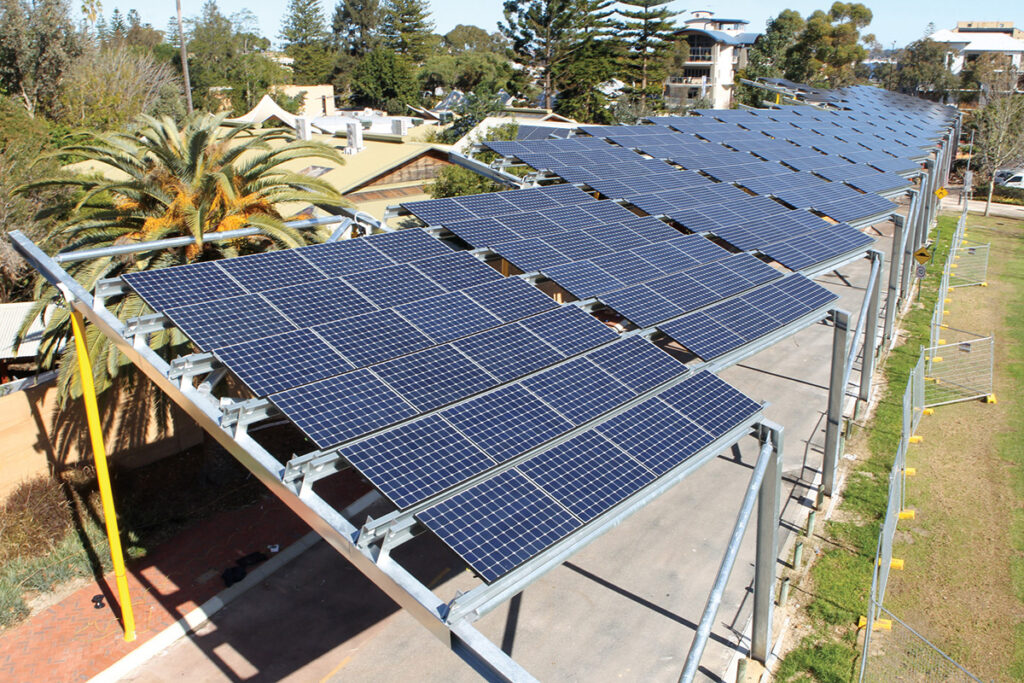
With a 237kW solar system, Perth Zoo boasts the largest solar panel array in the state. Installed in 2012, the 755 solar panels generate up to 30 per cent of the zoo’s energy needs and are installed across multipe zoo buildings including the elephant barn, the reptiles building, conference centre, administration buildings and a spectacular solar pergola.
4. Detroit Zoo, USA
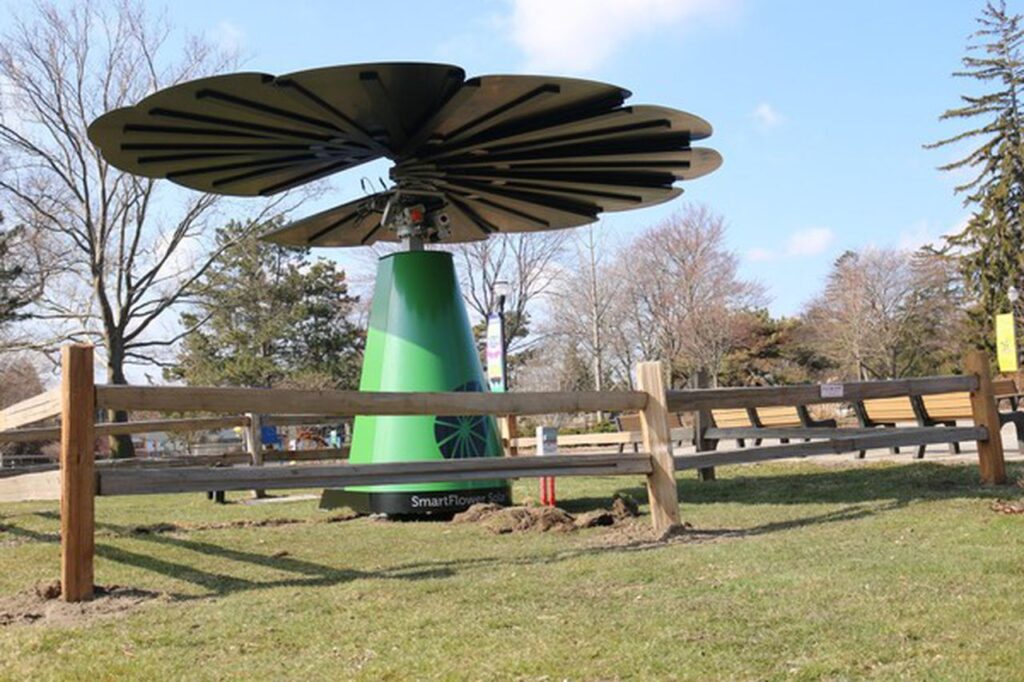
Already renowned for being 100% wind powered, the Detroit Zoo made headlines again this year by installing the very first ‘solar smartflower’, an all-in-one ground-mounted solar-panel system that is the first of its kind in the world.
It features 12 “solar petals” that trace the sun across the sky throughout the day via a GPS-based dual-axis tracker. Getting to work as soon as the sun rises, the smartflower unfolds its petals to a 90 degree angle to produce energy and folds them back in as the sun goes down. As it is always at an optimal angle to the sun, it can generate 40 per cent more energy than a traditional solar panel system.
5. National Zoo, Washington D.C, USA
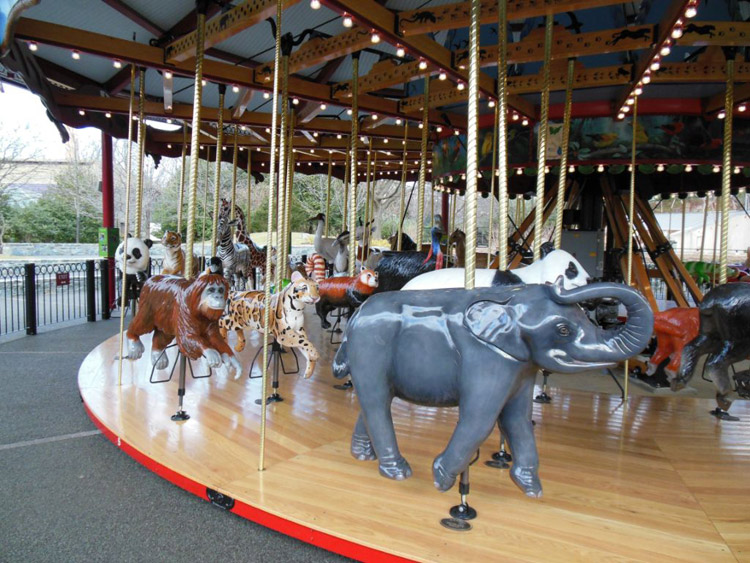
The world’s first solar-powered carousel made many heads turn when it was installed at the National Zoo in Washington D.C. in 2012. Powered by 162 solar panels, The Speedwell Foundation Conservation Carousel features 58 hand carved and painted animals. The carousel, which cost $2.3 million to build, celebrates the animals and birds living at the zoo. An interactive digital dashboard allows guests to see how the carousel generates and uses solar energy in real time.
6. Hamerton Zoo Park, United Kingdom
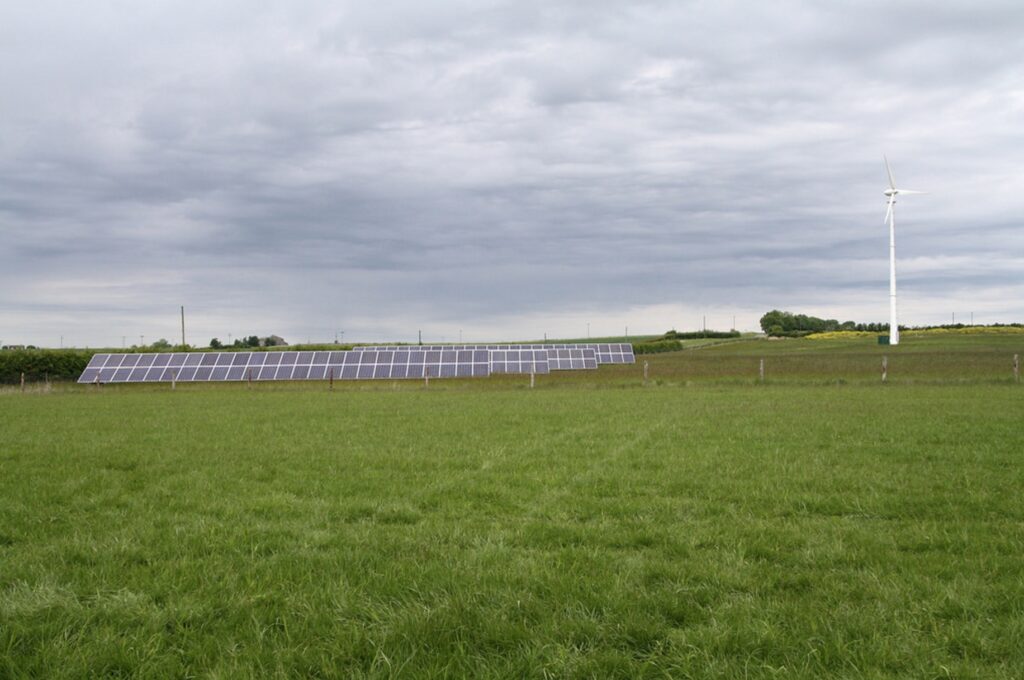
The Hamerton Zoo Park has taken the title of the most environmentally friendly zoo in Europe. In addition to two wind turbines, the zoo added three arrays of solar panels and two bio-mass boilers to its renewable energy generation project. The solar panels produce a total of 54kW of power and are fixed to ground-mounted tables that are angled at 30 degrees for optimum efficiency.
Thinking about solar for your business?
We know how important it is for business owners, from all different industries, to make financial decisions that are smart and efficient. Investing in solar allows you to reduce your electricity bills by harnessing energy from the sun during the day, which is when many businesses are typically using the most electricity. And with the development of alternate payment options, businesses now have more flexibility when it comes to purchasing a solar system.
Beyond reducing your overheads, solar is a great way to help your business reduce its greenhouse gas emissions and reach your decarbonisation goals.
So, if you’re looking to transition to solar energy for your business, zoo, aquarium or botanical garden, we can help!