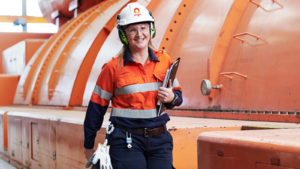
Eraring Power Station, Australia’s largest, powers about a quarter of New South Wales’ energy needs. Located in the heart of the Lake Macquarie coal belt, this bustling site has been running since 1982, fuelled by the dedication of over 200 Origin employees and just as many contractors, all working together to keep the lights on across NSW.
The team is as diverse as it is dedicated—engineers, electricians, operators, project managers, and technicians all bring their unique skills to the table. Yet, with over 40 years under its belt, Eraring is approaching the end of its lifecycle. The timeline for closure has been accelerated by the push toward renewables and the shift away from ageing fossil fuel assets. And as we look to the future, our focus is not only on the site’s transition but also on what lies ahead for the skilled professionals who keep Eraring going strong.
With the Power Station set to close as early as mid-2027, we’ve been rolling out a robust program to support its workforce through the transition. This initiative, called Future Directions, is led by an experienced and dedicated team based on site, offering a wealth of career information and well-being resources.
Origin General Manager, People Separation and Transition Bianca Lowe said, “When we began planning for Eraring’s closure, we knew we needed to take meaningful action to support our employees through this transition. This isn’t just about individuals leaving a business—it’s the phasing out of the entire coal generation sector . That meant we had to think differently about how to provide real support for our people because helping them find a similar role in the same industry just wouldn’t be effective.
“The Future Directions program centres around three key pillars: clear, supportive communication with employees throughout the change journey; equipping them to be future-ready by exploring options to upskill or reskill; and, most importantly, prioritising their health and well-being as they navigate this transition.”
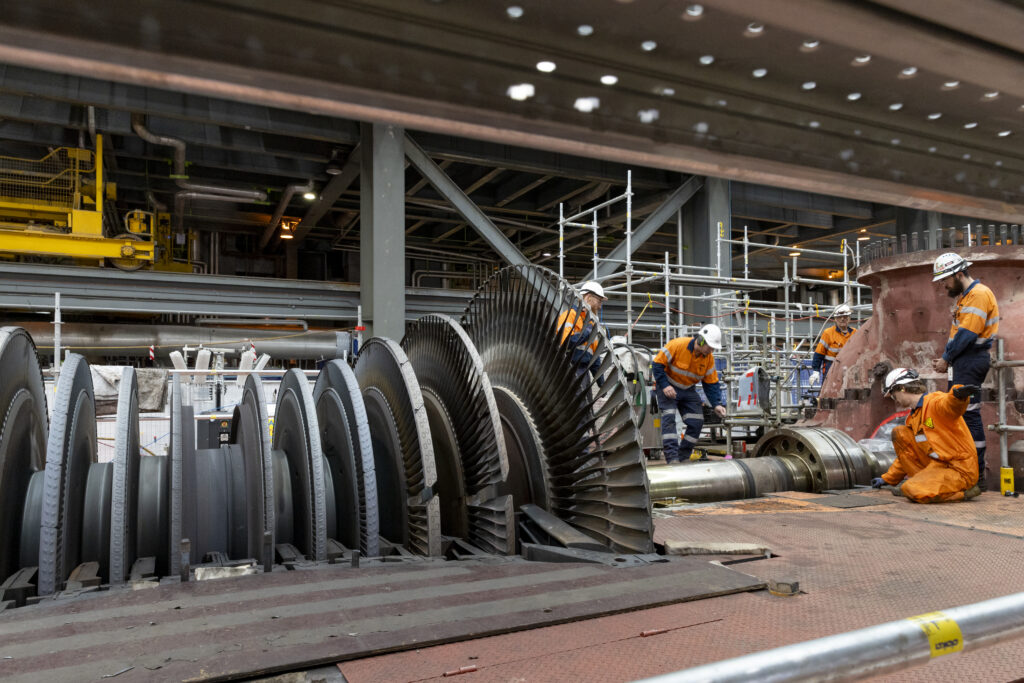
Early on, the focus of the program has been on developing individual support plans for each worker, taking into account each person’s unique situation. Some team members are just beginning their careers, while others are close to retirement. Some are eager to stay in energy, and others are interested in entirely new paths.
Today, 98% of the team have active support plans that outline their skills and qualifications, career goals, and options for growth, retraining, retirement, or further education. Already, 288 training courses have been funded, covering everything from property development and business administration to aviation and teaching. Initial anxieties around the closure are now giving way to optimism and excitement, as employees begin to envision new possibilities for the next stage of their careers beyond Eraring.
“We’ve had fantastic engagement. This wasn’t something we mandated for every employee at Eraring, but we made sure that everyone had an initial career conversation and the chance to explore what they might want for their future. It’s about giving each person space to manage this transition in a way that feels right for them,” Bianca said.
“Each active support plan is unique, tailored to the individual’s goals. Some are more detailed than others, but every six months, we check in with all employees—including those who initially chose not to participate—in case they’re ready to revisit or adjust their plans.”
We know our workforce is highly skilled and also embedded as part of this community, and we have established the Future Directions program to assist them, their families and the community during this transition.